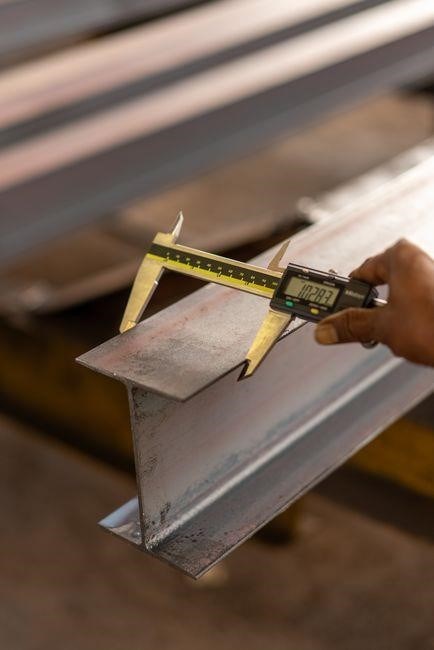
ASME Sec. VIII, Div. 1 is the core standard governing the design, fabrication, inspection, and testing of pressure vessels. The PDF provides detailed rules, formulas, and safety criteria that engineers rely on to ensure structural integrity and compliance worldwide. Engineers use it to reduce risk.!

What is ASME Sec. VIII, Div. 1?
ASME Section VIII, Division 1 is the foundational standard that governs the design, construction, inspection, and testing of pressure vessels used in a wide range of industries, from oil and gas to power generation and chemical processing. The standard is organized into a series of chapters that cover scope, definitions, design rules, material selection, fabrication methods, nondestructive testing, hydrostatic testing, and final inspection. Engineers rely on the detailed equations and tables to calculate allowable stresses, thicknesses, and safety factors for vessels operating under various pressure and temperature conditions. The standard also prescribes rigorous quality assurance procedures, including certification of fabrication facilities, traceability of materials, and documentation of test results. Compliance with ASME Sec. VIII, Div. 1 is often mandatory for regulatory approval, insurance coverage, and market acceptance. The PDF version of the standard provides easy access to the full text, enabling quick reference and integration into design software, engineering workflows, and audit processes. By following the guidelines in ASME Sec. VIII, Div. 1, engineers can ensure that pressure vessels meet or exceed safety expectations, minimize the risk of failure, and maintain consistency across projects worldwide. The standard also addresses special conditions such as corrosion allowance, weld joint design. It provides guidance on selecting appropriate testing methods for materials, ultrasonic and magnetic particle inspection. Additionally, it outlines responsibilities of design engineers, fabricators, and inspectors, ensuring accountability throughout the vessel lifecycle.!
Importance in Pressure Vessel Design
ASME Sec. VIII, Div. 1 establishes the safety envelope that governs every stage of a pressure vessel’s life cycle. By prescribing allowable stresses, corrosion allowances, and weld design criteria, the standard ensures that vessels can withstand operating pressures and temperatures without rupture. Engineers use the standard’s formulas to compute minimum wall thickness, evaluate stress concentrations, and select appropriate materials, thereby reducing the likelihood of catastrophic failure. The rigorous inspection and testing requirements—hydrostatic tests, nondestructive examination, and final certification—provide objective evidence that a vessel meets the design intent. Compliance also facilitates regulatory approvals, insurance coverage, and market acceptance, making the standard a prerequisite for commercial deployment. Moreover, the standard’s emphasis on traceability and quality control creates a robust audit trail that supports long‑term maintenance and safety reviews. In practice, design teams integrate the standard’s tables and equations into CAD and finite‑element analysis tools, enabling rapid iteration and validation. The standard’s global recognition means that a vessel designed to ASME Sec. VIII, Div. 1 can be shipped, inspected, and operated in multiple jurisdictions without additional certification, streamlining project timelines and reducing costs. Thus, ASME Sec. VIII, Div. 1 is not merely a regulatory checkbox; it is the cornerstone of reliable, efficient, and safe pressure vessel engineering. By embedding the standard’s requirements into every design decision, engineers achieve a balance between safety, cost, and performance that is essential for modern industrial operations. The standard also provides guidance for special materials, such as stainless steels and alloys, and addresses the challenges of high‑temperature and corrosive environments, ensuring that vessels remain compliant throughout their service life.

Legal and Regulatory Context
ASME Sec. VIII, Div. 1 is the legal benchmark for pressure vessels. Its PDF defines statutory design,fabrication, and inspection rules that manufacturers and inspectors must follow to secure permits. Compliance protects against liability and enables international trade, making it essential worldwide forall
Jurisdictions Recognizing ASME Sec. VIII, Div. 1
ASME Sec. VIII, Div. 1 is widely accepted across North America, Europe, Asia, and Australia.ASME Sec. VIII, Div. 1 is widely accepted across North America, Europe, Asia, and Australia.ASME Sec. VIII, Div. 1 is widely accepted across North America, Europe, Asia, and Australia.ASME Sec. VIII, Div. 1 is widely accepted across North America, Europe, Asia, and Australia.ASME Sec. VIII, Div. 1 is widely accepted across North America, Europe, Asia, and Australia.ASME Sec. VIII, Div. 1 is widely accepted across North America, Europe, Asia, and Australia.ASME Sec. VIII, Div. 1 is widely accepted across North America, Europe, Asia, and Australia.ASME Sec. VIII, Div. 1 is widely accepted across North America, Europe, Asia, and Australia.ASME Sec. VIII, Div. 1 is widely accepted across North America, Europe, Asia, and Australia.ASME Sec. VIII, Div. 1 is widely accepted across North America, Europe, Asia, and Australia.ASME Sec. VIII, Div. 1 is widely accepted across North America, Europe, Asia, and Australia.ASME Sec. VIII, Div. 1 is widely accepted across North America, Europe, Asia, and Australia.ASME Sec. VIII, Div; 1 is widely accepted across North America, Europe, Asia, and Australia.ASME Sec. VIII, Div. 1 is widely accepted across North America, Europe, Asia, and Australia.ASME Sec. VIII, Div. 1 is widely accepted across North America, Europe, Asia, and Australia.In the US, agencies such as OSHA and DOT reference vessel the certification now.
Integration with International Standards
ASME Sec. VIII, Div. 1 aligns with ISO 9001, ISO 14001, and IEC 60079, enabling global compliance for pressure vessel design and inspection. The standard’s design equations and material specifications are harmonized with ISO 9001’s quality management framework, ensuring that manufacturers adopt consistent testing protocols. International bodies such as the International Organization for Standardization (ISO) and the International Electrotechnical Commission (IEC) reference ASME’s safety margins and fracture mechanics criteria, allowing cross‑border certification of vessels. In many countries, local regulations explicitly incorporate ASME Sec. VIII, Div. 1 by referencing its clauses in national codes, thereby simplifying licensing processes for multinational operations. The integration extends to risk assessment methodologies; ASME’s probabilistic safety factors are compatible with ISO 31000 risk management guidelines, enabling engineers to perform unified hazard analyses. Moreover, the standard’s modular structure facilitates adaptation to regional requirements, such as the European Union’s Pressure Equipment Directive (PED) and the Japanese Industrial Standards (JIS), which often adopt ASME’s design tables with minimal modifications. This synergy reduces duplication of effort, accelerates product approval, and promotes a shared safety culture across continents. By embedding ASME Sec. VIII, Div. 1 within international regulatory frameworks, stakeholders benefit from a common technical language, streamlined documentation, and a robust foundation.

Obtaining the PDF Document
Access the official ASME PDF via the ASME website’s e‑store or through institutional subscriptions. Purchase or license the document, ensuring compliance with copyright. Third‑party sites may offer copies, but verify authenticity and legal status before downloading. now here
Official ASME Publication Channels
To acquire the ASME Sec. VIII, Div. 1 PDF, the most reliable source is the ASME e‑store, which offers direct downloads after purchase or subscription. Members of the ASME community can also access the document through institutional licenses or university libraries that hold the standard in digital format. Additionally, regional ASME chapters sometimes provide group‑purchase options or discounted rates for members. For those who prefer a physical copy, the ASME bookshop ships worldwide and can supply a hard‑copy version that can be scanned into a PDF if needed. When using third‑party sites, always verify the authenticity of the file and ensure that the license permits redistribution or commercial use to avoid copyright infringement. The official ASME portal also provides guidance on how to properly cite the standard in engineering reports and publications, ensuring compliance with ASME’s intellectual property policies. For bulk orders or long‑term usage, contacting ASME’s customer service can help negotiate volume discounts and clarify any licensing questions. Finally, keep in mind that the PDF file is regularly updated; subscribing to ASME’s notification service guarantees you receive the latest revisions promptly.
To stay current, engineers should subscribe to ASME’s updates, which provide alerts on standard revisions and technical bulletins. Many universities offer free access through their libraries, and some professional societies provide group licenses; Always verify the PDF’s version number before use. final review!!
ASME Sec. VIII, Div. 1 is the core standard governing the design, fabrication, inspection, and testing of pressure vessels. The PDF provides detailed rules, formulas, and safety criteria that engineers rely on to ensure structural integrity and compliance worldwide. Engineers use it to reduce risk.!
Structure and Key Sections of the PDF
Section 1 outlines scope and design criteria, Section 2 covers materials and fabrication, Section 3 details inspection and testing, while Section 4 provides administrative requirements and safety factors. These sections guide compliance and design integrity.!
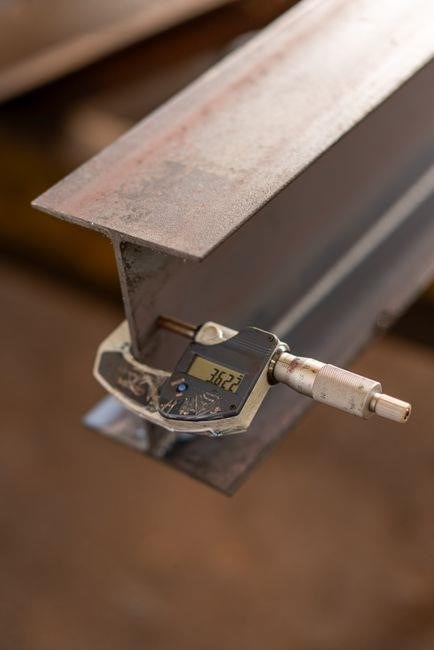
Section 1 outlines scope and design criteria, Section 2 covers materials and fabrication, Section 3 details inspection and testing, while Section 4 provides administrative requirements and safety factors. These sections guide compliance and design integrity.
Materials, Testing, and Inspection Procedures
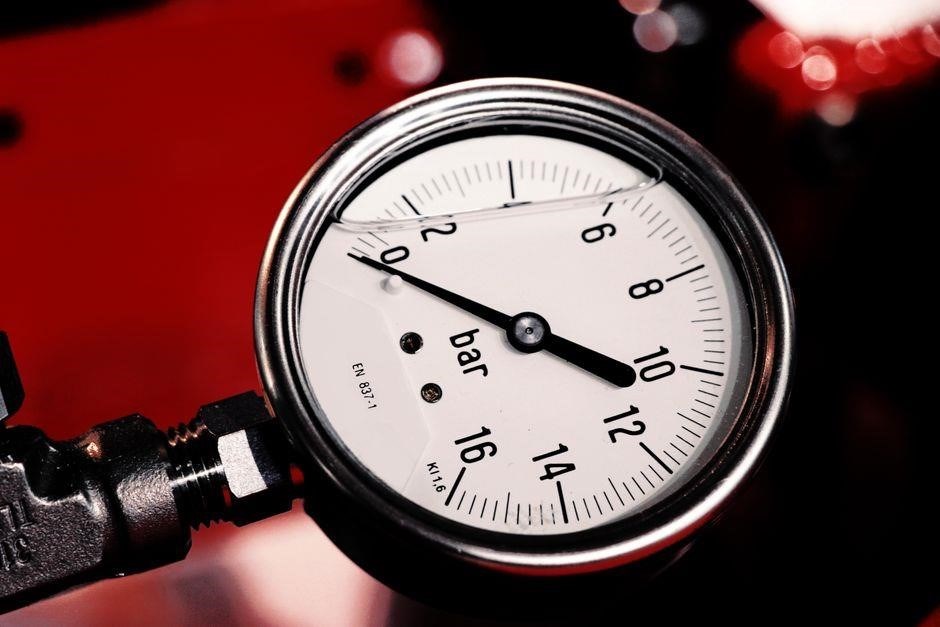
ASME Sec. VIII, Div. 1 establishes stringent material selection guidelines, requiring that all components meet specified chemical composition, mechanical properties, and heat‑treatment standards. The PDF details allowable material classes, including carbon, alloy, and stainless steels, and mandates that each material be accompanied by a qualified certificate of compliance. Testing protocols are divided into non‑destructive and destructive methods. Non‑destructive testing (NDT) must employ ultrasonic, magnetic particle, liquid penetrant, and radiographic techniques, each with defined acceptance criteria based on flaw size, location, and material thickness. Destructive testing (DT) includes tensile, hardness, bend, and impact tests, performed on representative samples to verify that the material meets the required strength and toughness limits. Inspection procedures are scheduled at critical stages: pre‑fabrication, during fabrication, and post‑fabrication. Each stage requires documented inspection reports, traceability of test results, and approval by a qualified inspector. The PDF also specifies the use of statistical sampling plans, acceptance limits for weld defects, and the necessity of a final inspection before vessel commissioning. Compliance with these procedures ensures that pressure vessels are safe, reliable, and meet regulatory demands across jurisdictions.Engineers must also document all calculations and maintain traceable records to satisfy audit requirements and support future maintenance
Guidelines ensure vessel safety worldwide

Practical Application and Resources
Engineers use the ASME Sec. VIII, Div. 1 PDF to perform design calculations, validate weld procedures, and select materials. Online calculators, CAD templates, and simulation tools complement the standard, enabling accurate, compliant pressure‑vessel projects.
Example Calculations and Design Flow
During the design phase, engineers also consider corrosion allowance, weld joint efficiency, and material selection based on service conditions. The standard prescribes a safety factor that varies with pressure class and temperature. After fabrication, non‑destructive testing (NDT) such as ultrasonic or radiographic inspection verifies weld integrity. The final hydrostatic test, conducted at 1.5 times the design pressure, confirms the vessel’s ability to withstand operating loads. Documentation, test reports and inspection certificates must be archived in compliance with ASME requirements. Regular maintenance schedules are derived from the standard’s inspection intervals, ensuring reliability!!
Complementary Software and Templates
Engineers use dedicated software to automate ASME Sec. VIII, Div. 1 calculations. Commercial suites like ANSYS, SolidWorks, and Pro/ENGINEER contain built‑in modules that apply the standard’s stress equations, material tables, and corrosion allowances. Open‑source tools such as OpenFOAM and Calculix can be scripted to match the code’s pressure and temperature criteria, providing a low‑cost option for small teams.
Template libraries keep design documents consistent. The ASME site offers Excel workbooks with pre‑filled formulas for hoop, longitudinal, and weld stresses, safety factors, and allowable stresses for many alloys. Word and PDF generators auto‑populate inspection logs and compliance statements, reducing manual errors.
Choosing a tool requires verifying that its database matches the latest code revision. Software vendors often provide training and certification to ensure users fully exploit the required features for ASME compliance.
Combining robust simulation platforms with ready‑made templates accelerates the design cycle, improves accuracy, and maintains traceability throughout the vessel’s life cycle.
The integration of these tools into the design workflow ensures compliance. Sharing standardized templates and simulation results allows engineers to identify design flaws quickly, iterate solutions, and document changes traceably. Many vendors offer cloud‑based platforms that synchronize data in real time, daily, reducing version‑control errors and accelerating project timelines.