
Welcome! This manual details your 2016 Kia Sorento, offering guides for repair, operation, and emergency procedures, ensuring optimal vehicle performance and safety․
Understanding Your Vehicle’s Manual
Navigating this manual is crucial for maximizing your Kia Sorento ownership experience․ It’s designed as a comprehensive resource, covering everything from routine maintenance – like fluid checks and tire pressure – to detailed instructions for the infotainment system․ Familiarize yourself with the dashboard symbols and indicators to quickly identify potential issues․
The manual also provides vital safety information, including proper seat adjustments and procedures for jump-starting your vehicle․ Understanding the warranty details and claim procedures is equally important․ Always refer to the manual before attempting any repairs or modifications, and heed the safety precautions outlined within, especially regarding child safety․
Importance of the Owner’s Manual
Your Kia Sorento’s owner’s manual is essential for safe and efficient vehicle operation․ It’s not merely a guide, but a vital tool for understanding your vehicle’s specific features and capabilities․ Ignoring the manual can lead to improper maintenance, potentially voiding your warranty or causing mechanical failures․
Detailed instructions regarding towing capacity, trailer hitch installation, and load distribution are critical for preventing damage․ The manual also outlines emergency procedures, ensuring you’re prepared for unexpected situations․ Always consult it before installing accessories or performing any repairs․ Properly utilizing this resource extends your Sorento’s lifespan and ensures a secure driving experience․

Key Features and Controls
Explore your Sorento! This section details dashboard symbols, seat adjustments, safety systems, and the infotainment system for a comfortable driving experience․
Dashboard Symbols and Indicators
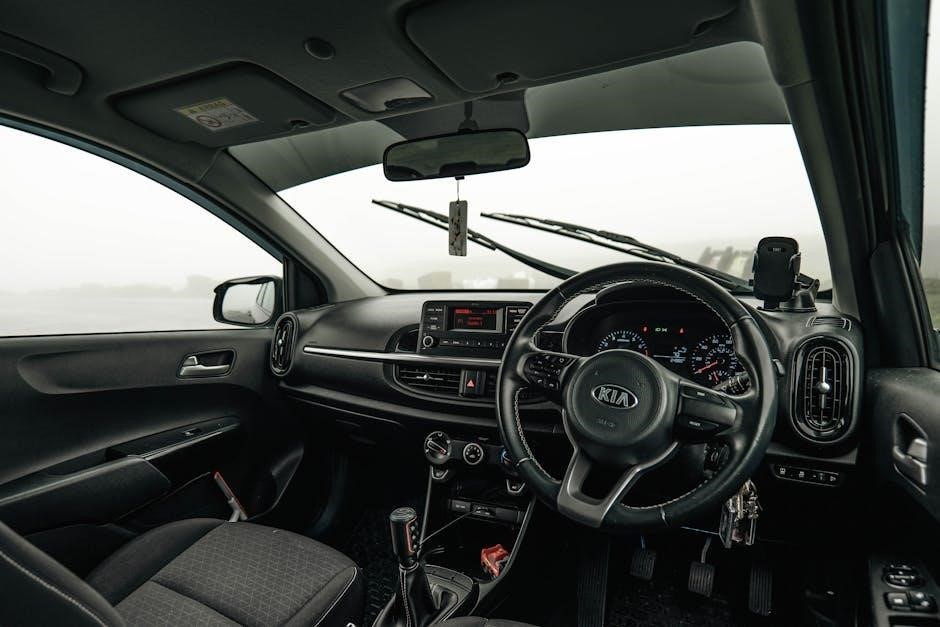
Understanding the symbols is crucial for safe operation․ Your Kia Sorento’s dashboard features a variety of warning lights and indicators providing vital information about the vehicle’s status․ Familiarize yourself with these symbols – from the engine check light and low fuel warning to indicators for safety systems like ABS and airbag functionality․
Pay close attention to illuminated symbols․ A solid light generally indicates a system is engaged, while a flashing light often signals a potential issue requiring immediate attention․ Refer to this manual for a comprehensive explanation of each symbol, its meaning, and recommended actions․ Ignoring warning lights could lead to more significant problems or compromise your safety․ Regularly check your dashboard during operation․
Seat Adjustments and Safety Features
Proper seating is paramount for comfort and safety․ Your Kia Sorento offers adjustable seats – including manual or power options for position, lumbar support, and recline – to ensure a personalized driving experience․ Always adjust your seat before driving to maintain optimal control and visibility․
Safety features are designed to protect you․ The Sorento incorporates advanced safety systems like airbags, seatbelt pretensioners, and child safety locks․ Understand the operation of these features and ensure they are functioning correctly․ Always secure all passengers, especially children, with appropriate restraints․ Refer to the manual for detailed instructions on utilizing these vital safety components effectively․
Infotainment System Overview
Your Kia Sorento’s infotainment system is a central hub for connectivity and entertainment․ It typically features a touchscreen display, offering access to audio controls, navigation, smartphone integration (like Apple CarPlay and Android Auto), and vehicle settings․ Familiarize yourself with the system’s layout and functions for a seamless driving experience․
Explore features like Bluetooth connectivity for hands-free calling and audio streaming․ The manual details how to pair devices and utilize voice commands․ Understand the navigation system’s map updates and destination input procedures․ Regularly check for software updates to ensure optimal performance and access to the latest features․ Safe operation requires minimizing distractions while using the system․

Maintenance and Servicing
Regular maintenance is crucial! The Kia Sorento manual outlines a schedule for fluid checks, replacements, and tire care, ensuring longevity and reliability․
Recommended Maintenance Schedule
Adhering to the Kia Sorento’s recommended maintenance schedule is vital for preserving its performance and dependability․ This schedule, detailed within your owner’s manual, outlines specific inspection and service intervals based on mileage or time, whichever comes first․
Key areas include regular oil and filter changes, crucial for engine lubrication and longevity․ Fluid level checks – coolant, brake fluid, power steering, and transmission fluid – are essential for optimal system function․ Tire rotations and inspections contribute to even wear and extended tire life․
Furthermore, the manual specifies intervals for replacing air filters, fuel filters, spark plugs, and drive belts․ Following these guidelines proactively prevents potential issues, minimizes costly repairs, and maintains your Sorento’s warranty coverage․ Consult the manual for the precise schedule tailored to your vehicle’s model year and driving conditions․
Fluid Checks and Replacements
Maintaining correct fluid levels is paramount for your Kia Sorento’s smooth operation․ Regularly check engine oil, coolant, brake fluid, power steering fluid, and windshield washer fluid․ Low levels can indicate leaks or increased consumption, requiring immediate attention․
Oil changes, typically every 7,500-10,000 miles with synthetic oil, are crucial for engine health․ Coolant should be flushed and replaced according to the manual’s schedule, preventing corrosion and overheating․ Brake fluid absorbs moisture over time, reducing braking efficiency; replacement is vital․
Power steering fluid ensures effortless steering, while transmission fluid maintains smooth gear changes; Always use Kia-approved fluids to avoid compatibility issues․ Proper fluid maintenance extends component life and prevents costly repairs, ensuring reliable performance․
Tire Maintenance and Pressure
Proper tire care significantly impacts your Kia Sorento’s safety, handling, and fuel efficiency․ Regularly check tire pressure – including the spare – using a reliable gauge․ Recommended pressure is found on the driver’s side doorjamb placard, not the tire sidewall․
Inspect tires for wear, damage (cuts, bulges), and uneven tread․ Rotate tires every 5,000-7,500 miles to promote even wear and extend their lifespan․ Ensure correct wheel alignment to prevent premature or irregular tire degradation․
Maintain appropriate tread depth for optimal grip, especially in wet or snowy conditions․ Replace tires when tread reaches the wear bars․ Using the correct tire size and type, as specified in the owner’s manual, is essential for vehicle performance․
Emergency Procedures
This section provides critical guidance for jump-starting, breakdowns, and emergency contacts, ensuring your safety and a swift resolution to unexpected situations․
Jump Starting Your Kia Sorento
Caution: Jump-starting requires careful adherence to safety protocols to prevent damage to your vehicle’s electrical system and potential injury; Ensure both vehicles are turned off and not touching․ Connect the red (positive) cable to the positive terminal of the discharged battery, then to the positive terminal of the boosting battery․
Next, connect the black (negative) cable to the negative terminal of the boosting battery․ Crucially, connect the other black cable to a grounded metal surface on your Sorento, away from the battery – a bolt on the engine block is ideal․ Start the boosting vehicle and let it run for a few minutes․ Attempt to start your Sorento․ If it doesn’t start immediately, wait a few more minutes and try again․ Once started, carefully disconnect the cables in the reverse order of connection․
What to Do in Case of a Breakdown
Safety First: If your Kia Sorento experiences a breakdown, prioritize safety․ Activate your hazard lights immediately to alert other drivers․ Carefully steer the vehicle off the road to a safe location, ideally a level surface away from traffic․ If possible, position the vehicle on the shoulder․
Once safely stopped, engage the parking brake․ Assess the situation – is it a minor issue you can address with the owner’s manual, or do you require professional assistance? If needing help, contact roadside assistance or emergency services․ Provide your exact location and a description of the problem․ Remain in a safe location, away from traffic, until help arrives․ Avoid attempting complex repairs yourself unless you are qualified․
Emergency Contact Information

Essential Contacts: In case of an emergency involving your Kia Sorento, quick access to vital information is crucial․ Keep the following numbers readily available: your local emergency services (911 in North America), Kia Roadside Assistance (check your owner’s manual for the specific number), and your insurance provider’s emergency claim line․
Additionally, store the contact details of your preferred towing service․ It’s wise to program these numbers into your mobile phone for swift dialing․ Consider creating a physical card with this information to keep in your glove compartment․ Remember to also include any personal emergency contacts․ Proactive preparation ensures a faster, more efficient response during critical situations․

Towing and Load Capacity
Important Guidelines: Refer to your Kia Sorento manual for maximum towing weights, trailer hitch installation, and proper load distribution for safe operation․
Maximum Towing Capacity
Understanding Towing Limits: Your Kia Sorento’s maximum towing capacity varies based on engine type, drivetrain, and factory equipment․ Always consult your owner’s manual for the precise figure applicable to your specific vehicle․ Exceeding this limit compromises safety and can cause significant damage to the vehicle’s powertrain, brakes, and chassis․
The manual details how to determine your vehicle’s Gross Combined Weight Rating (GCWR) and Gross Vehicle Weight Rating (GVWR) – crucial figures for calculating safe towing loads․ Remember to factor in the weight of passengers and cargo within the Sorento itself when calculating the total weight being towed․ Proper weight distribution is also vital; heavier loads should be positioned to maintain vehicle stability․ Ignoring these guidelines can lead to loss of control and potential accidents․

Trailer Hitch Installation Instructions
Professional Installation Recommended: While some owners may attempt self-installation, Kia strongly recommends having a qualified technician install your trailer hitch․ Incorrect installation can compromise vehicle safety systems and void warranty coverage․ The manual emphasizes using only Kia-approved hitches and hardware․
Installation typically involves removing portions of the rear bumper and exhaust system․ Detailed diagrams and torque specifications are provided within the manual to ensure proper fastening․ Always refer to the specific instructions included with your hitch kit, as procedures may vary․ Post-installation, verify all connections are secure and that the electrical wiring for trailer lights is correctly integrated with the Sorento’s system․ A final inspection by a professional is highly advised․
Load Distribution Guidelines
Proper load distribution is crucial for maintaining vehicle stability and control when towing with your Kia Sorento․ The manual stresses that approximately 10-15% of the total trailer weight should be supported by the hitch․ This “tongue weight” prevents trailer sway․
Ensure cargo within the trailer is evenly distributed along the trailer’s floor, with heavier items positioned closer to the axle․ Avoid concentrating weight at the rear of the trailer․ Overloading the vehicle or trailer can lead to damage and dangerous driving conditions․ Always consult the manual for your Sorento’s specific Gross Vehicle Weight Rating (GVWR) and Gross Combined Weight Rating (GCWR) before towing․

Technical Specifications
Explore detailed specs! This section outlines engine sizes (2․5; 3․3), dimensions, weight, and fuel economy data for your Kia Sorento model․
Engine Specifications
Detailed Engine Information: The Kia Sorento offers a range of engine options, catering to diverse driving needs and preferences; Specifically, models feature either a 2․5-liter engine or a more powerful 3․3-liter variant․ These specifications are crucial for understanding your vehicle’s performance capabilities and maintenance requirements․
Understanding the engine type is vital for selecting the correct fluids and parts during servicing․ The manual provides in-depth details regarding horsepower, torque, and compression ratios for each engine configuration․ This information is essential for diagnosing potential issues and ensuring optimal engine health․ Refer to your specific model’s details within the manual for precise engine specifications, as variations may exist based on year and trim level․
Dimensions and Weight
Vehicle Size and Capacity: Knowing the precise dimensions and weight of your Kia Sorento is critical for various reasons, including parking, navigating tight spaces, and understanding load capacity․ The Sorento, a 5-door SUV, boasts specific length, width, and height measurements detailed within this manual․
Weight specifications, including curb weight and gross vehicle weight rating (GVWR), are essential for safe towing and load distribution․ Exceeding weight limits can compromise handling and braking performance․ This manual provides these crucial figures, enabling you to operate your Sorento within safe parameters․ Refer to the detailed charts for specific measurements related to your Sorento’s model year and configuration․
Fuel Economy Information
Optimizing Efficiency: Understanding your Kia Sorento’s fuel economy is vital for cost-effective driving and minimizing environmental impact․ This section details estimated MPG (miles per gallon) figures for various driving conditions – city, highway, and combined․ Fuel efficiency varies based on engine type (2․5L or 3․3L), drivetrain, and driving habits․
The manual provides guidance on factors influencing fuel consumption, such as tire pressure, vehicle load, and aggressive acceleration․ Regularly checking tire pressure and avoiding excessive idling can significantly improve MPG․ Refer to the detailed charts for specific fuel economy ratings applicable to your Sorento’s model year and engine configuration, ensuring informed driving practices․

Warranty Information
Kia’s commitment: Your Sorento is covered by a comprehensive warranty; details regarding parts, labor, and claim procedures are thoroughly outlined within this manual․
Kia Sorento Warranty Details
Comprehensive Coverage: Kia provides a robust warranty for your Sorento, designed for peace of mind․ The powertrain warranty typically extends for 10 years or 100,000 miles, whichever comes first, covering major engine and transmission components․ A limited basic warranty usually spans 5 years or 60,000 miles, protecting against defects in materials and workmanship․
Specifics & Exclusions: This warranty doesn’t cover wear-and-tear items like brake pads or tires․ Modifications or improper maintenance can void coverage․ Refer to the full warranty document for complete details, including what’s covered, exclusions, and claim procedures․ Always retain service records as proof of maintenance․ Understanding these details ensures you maximize your warranty benefits․
Warranty Claim Procedures

Initiating a Claim: To file a warranty claim, first contact your authorized Kia dealership’s service department․ Describe the issue in detail and provide your vehicle identification number (VIN)․ The dealership will diagnose the problem and determine if it’s covered under warranty․
Required Documentation: You’ll likely need to present your original purchase agreement, maintenance records demonstrating adherence to the recommended schedule, and any diagnostic reports․ The dealership will submit the claim to Kia for approval․ Keep copies of all documentation for your records․ Proper documentation streamlines the process, ensuring a swift resolution to your warranty concern․