Manual Transmission Troubleshooting: A Comprehensive Guide
This guide details diagnosing issues in manual transmissions‚ covering clutch problems‚ shifting difficulties‚ fluid checks‚ internal failures‚ and utilizing diagnostic tools.
Understanding the Basics of Manual Transmissions
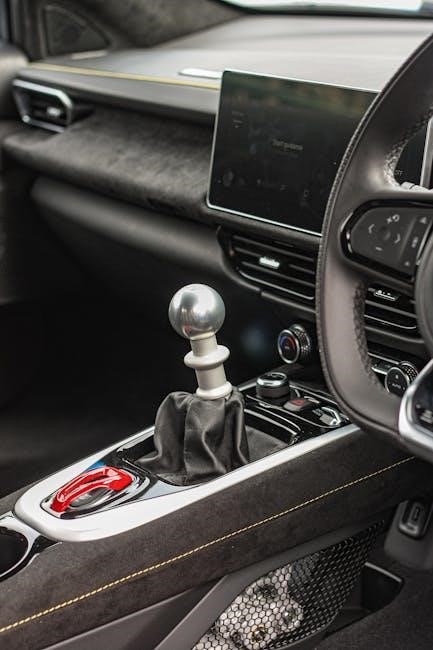
Manual transmissions rely on a driver-operated clutch to engage and disengage power from the engine to the wheels. Gears‚ synchro rings‚ and a shifter linkage facilitate selecting appropriate ratios for speed and torque. Proper function demands clean‚ correctly leveled transmission fluid – typically appearing pink or reddish. Understanding these core components is crucial for effective troubleshooting. Issues can stem from clutch wear‚ internal gear damage‚ or problems within the shifting mechanism itself‚ requiring systematic diagnosis and repair.
Common Manual Transmission Problems: An Overview
Manual transmission issues manifest in various ways‚ from difficulty shifting and grinding gears to unusual noises and complete failure to shift. Clutch-related problems‚ like slippage or a stiff pedal‚ are frequent. Internal failures‚ including synchro ring wear and gear damage‚ also occur. Diagnostic trouble codes (DTCs) can pinpoint specific areas. Addressing these requires a methodical approach‚ considering potential causes like low fluid‚ linkage issues‚ or internal component wear.
Clutch System Issues
The clutch system is vital for smooth gear changes; problems here are common. Issues range from a spongy or stiff clutch pedal‚ indicating adjustment or hydraulic problems‚ to clutch disc wear causing slippage during acceleration. A failing pressure plate or throw-out bearing generates noise and impacts engagement. Proper diagnosis involves checking pedal feel‚ inspecting the disc for wear‚ and assessing the pressure plate’s condition for consistent operation.
Clutch Pedal Feel and Adjustment
Assessing clutch pedal feel is the first step in diagnosis. A spongy pedal often points to air in the hydraulic system or a master cylinder issue. A stiff pedal suggests a problem with the cable or linkage. Proper adjustment ensures full clutch disengagement‚ preventing grinding. Incorrect adjustment can lead to premature wear or incomplete gear shifts‚ requiring careful calibration for optimal performance.
Clutch Disc Wear and Slippage
Clutch disc wear manifests as slippage‚ especially during acceleration. Symptoms include high engine RPM with minimal speed increase. Inspect the disc for wear‚ damage‚ or contamination. Reduced friction material thickness indicates the need for replacement. Slippage can also stem from oil contamination‚ requiring a thorough system check. Addressing wear promptly prevents further transmission damage and restores optimal power transfer.
Pressure Plate and Throw-Out Bearing Problems
A failing pressure plate can cause incomplete clutch engagement or chatter. Inspect for warped surfaces or broken springs. A noisy throw-out bearing often indicates wear‚ especially when the clutch pedal is depressed. This bearing facilitates smooth clutch disengagement. Ignoring these issues leads to clutch failure and potential damage to the flywheel. Replacement of both components simultaneously is often recommended for optimal performance and longevity.

Shifting Problems
Difficulties shifting gears are common indicators of manual transmission issues. These can range from simple linkage adjustments to internal component failures. Grinding gears often signals synchro ring wear or improper clutch engagement. Problems may also stem from a faulty shifter linkage‚ preventing clean gear selection. Accurate diagnosis is crucial; addressing shifting problems promptly prevents further damage and ensures safe vehicle operation.
Difficulty Shifting into Gear
Struggling to select a gear can indicate several underlying problems. A worn clutch may not fully disengage‚ hindering smooth shifting. Internal transmission issues‚ like damaged synchros or bent shift forks‚ also contribute. External factors‚ such as a misadjusted shifter linkage‚ can create resistance. Thoroughly inspect the clutch system and linkage before delving into internal transmission diagnostics to pinpoint the root cause efficiently.
Grinding Gears: Causes and Solutions
Gear grinding typically signals a synchronization issue. Worn synchro rings fail to match gear speeds before engagement‚ resulting in the abrasive noise. This can stem from low or contaminated transmission fluid‚ aggressive shifting‚ or simply age-related wear. Addressing the issue involves inspecting and potentially replacing the synchro rings‚ ensuring proper fluid levels‚ and promoting smoother shifting techniques to prevent recurrence.
Shifter Linkage Issues and Repair
Problems with the shifter linkage can cause imprecise shifting or difficulty selecting gears. Worn or damaged linkage components‚ like bushings or joints‚ introduce play‚ hindering accurate gear engagement. Inspection involves checking for looseness or damage along the entire linkage system. Repair often entails replacing worn bushings‚ tightening connections‚ or‚ in severe cases‚ replacing entire linkage sections to restore smooth and reliable shifting performance.
Transmission Fluid Inspection and Maintenance
Regularly inspecting transmission fluid is crucial for identifying potential problems. Check the fluid level to ensure proper lubrication and cooling. Observe the fluid’s color; healthy fluid is typically pink or red‚ darkening with age. Brownish fluid indicates contamination and the need for a change. Performing scheduled fluid changes prevents wear and tear‚ maintaining optimal transmission performance and longevity.
Checking Transmission Fluid Level
Proper transmission fluid level ensures optimal gear lubrication and smooth operation. Locate the dipstick‚ usually marked clearly‚ and wipe it clean. Reinsert the dipstick fully‚ then remove it to check the fluid level against the marked “min” and “max” indicators. Low levels suggest leaks or consumption‚ while overfilling can cause aeration. Always consult your vehicle’s manual for specific procedures and fluid types.
Transmission Fluid Color and Condition
Transmission fluid’s appearance reveals its health. Healthy fluid is typically pink or red. Brownish fluid indicates degradation and potential contamination‚ signaling a need for a change. Black fluid suggests severe overheating or extensive wear. A burnt smell accompanies degraded fluid. Metallic flakes indicate internal gear damage. Regularly inspecting fluid color and condition helps prevent costly transmission repairs and ensures reliable performance.
Transmission Fluid Change Procedure
Proper fluid changes are crucial for longevity. Begin by warming the transmission. Locate the drain and fill plugs. Drain the old fluid completely. Replace the drain plug with a new crush washer. Carefully fill with the correct fluid type‚ checking the level. Avoid overfilling. A final road test verifies proper operation. Dispose of used fluid responsibly‚ adhering to environmental regulations.
Internal Transmission Problems
Internal failures often manifest as noise or performance issues. Synchro ring wear causes grinding during shifts. Gear damage presents with whining or clunking sounds. Bearing failures create a rumbling or growling noise‚ worsening with speed. Diagnosis requires careful listening and potentially‚ transmission disassembly for inspection of components. Addressing these issues promptly prevents further damage and costly repairs.
Synchro Ring Wear and Failure
Worn synchro rings are a common cause of difficult shifting‚ particularly grinding when selecting gears. These brass or carbon-fiber rings facilitate smooth engagement. Wear occurs due to friction and age. Symptoms include hesitation entering a gear‚ accompanied by a noticeable grinding sound. Replacement requires transmission disassembly and careful inspection of mating surfaces for damage‚ ensuring proper reassembly.
Gear Damage and Noise Diagnosis
Damaged gears manifest as whining‚ clicking‚ or hammering sounds‚ often changing with vehicle speed or load. Inspect for chipped‚ cracked‚ or worn teeth. Noise localization is crucial; a universal joint issue can mimic transmission sounds. Careful listening and potentially removing the transmission for detailed inspection are necessary. Addressing gear damage promptly prevents further component failure and costly repairs.
Bearing Failures and Symptoms
Failing transmission bearings typically produce a growling or rumbling noise‚ escalating with speed. Vibration is a common symptom‚ felt through the shifter or even the vehicle floor. Bearing failure can cause gear misalignment and subsequent damage. Inspect for excessive play or roughness when rotating input/output shafts. Timely bearing replacement prevents catastrophic transmission failure and associated component damage.
DTC (Diagnostic Trouble Code) Reading and Interpretation
Utilizing a scan tool is crucial for diagnosing manual transmission issues‚ even without a ‘check engine’ light. Common DTCs relate to vehicle speed sensor malfunctions or internal transmission component failures. Proper interpretation requires understanding the code definitions and associated diagnostic procedures. Clearing codes without addressing the root cause provides only temporary relief; a thorough system check is essential for lasting repairs.
Using a Scan Tool for Manual Transmissions
While often associated with automatic transmissions‚ scan tools are increasingly valuable for manual systems. They access stored diagnostic trouble codes (DTCs) offering clues to underlying problems. Beyond DTCs‚ live data streams reveal crucial parameters like vehicle speed sensor output. Performing a DTC check/clear and utilizing check mode functions aids pinpointing issues‚ streamlining the troubleshooting process and reducing diagnostic time.
Common Manual Transmission DTCs
Though less frequent than automatic transmission codes‚ manual systems generate DTCs indicating specific faults. These can relate to the vehicle speed sensor‚ potentially causing shifting issues. Codes may also signal problems with the ECM communication or internal transmission components. Interpreting these codes‚ alongside symptom analysis‚ is crucial for accurate diagnosis and repair‚ guiding technicians towards the root cause of the malfunction.
Mercedes Transmission Specific Issues
Mercedes-Benz vehicles often exhibit unique transmission problems requiring specialized diagnostic approaches. Common issues include entering “limp mode‚” restricting gear selection to protect the drivetrain‚ or experiencing a complete “no shift” condition. These symptoms frequently stem from electronic control unit (ECU) malfunctions or sensor failures. Thorough diagnostics‚ utilizing Mercedes-specific scan tools‚ are essential for pinpointing the source of these complex issues and restoring optimal performance.
Limp Mode Diagnosis and Repair
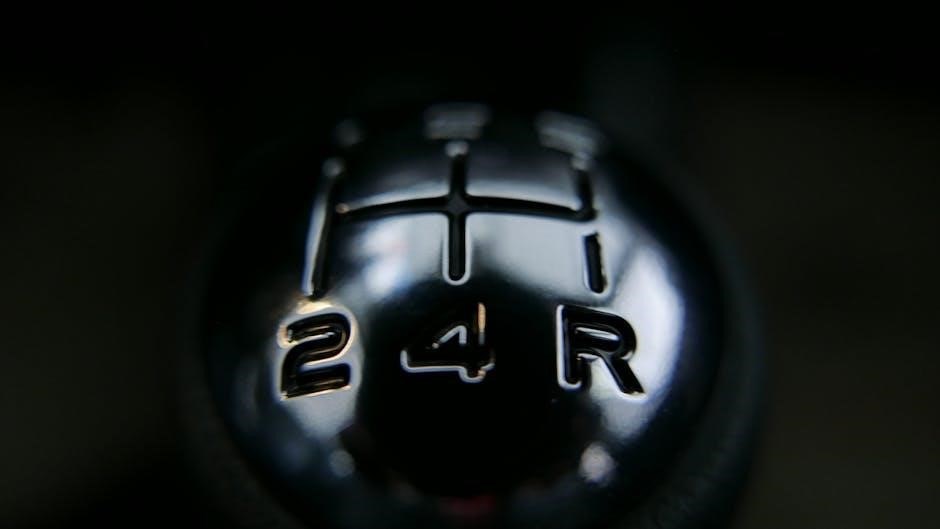
Limp mode‚ a protective function‚ limits vehicle speed and gear selection when a transmission fault is detected. Diagnosis begins with a scan tool to retrieve Diagnostic Trouble Codes (DTCs) pinpointing the issue. Common causes include sensor failures‚ solenoid malfunctions‚ or internal transmission damage. Repair involves addressing the root cause – replacing faulty components‚ repairing wiring‚ or‚ in severe cases‚ transmission rebuild or replacement. Post-repair‚ DTCs must be cleared and a test drive performed.
No Shift Condition Troubleshooting
A “no shift” condition in a Mercedes transmission requires systematic diagnosis. Begin by verifying the engine control module (ECM) terminals and the overall diagnosis system. Scan for DTCs to identify potential causes like solenoid failures‚ valve body issues‚ or internal mechanical problems. Inspect transmission fluid level and condition. Check shifter linkage and clutch components. A manual shifting test can help isolate the fault‚ guiding repair efforts towards the affected area.
Multi-Mode Manual Transaxle Problem Symptoms
Diagnosing multi-mode manual transaxles involves a symptom-based approach. Common issues include a failure to up-shift or down-shift. Suspected areas for “no up-shift” include the transaxle unit itself – gears‚ bearings‚ or shift forks. Similarly‚ “no down-shift” points to internal transaxle components. Utilize a problem symptoms table to correlate observed issues with potential causes‚ streamlining the diagnostic process and repair procedures.
No Up-Shift Diagnosis
A “no up-shift” condition in a multi-mode manual transaxle requires systematic investigation. Begin by inspecting the transaxle unit‚ focusing on gear integrity‚ bearing functionality‚ and the shift fork mechanism. Confirm proper operation of related sensors and actuators. Diagnostic tables are crucial for pinpointing the root cause‚ potentially revealing internal component failures or linkage issues preventing successful gear engagement during upshifts.
No Down-Shift Diagnosis
Addressing a “no down-shift” scenario in a multi-mode manual transaxle demands a focused approach. Initial assessment should center on the transaxle unit itself – scrutinizing gears‚ bearings‚ and the shift fork for any signs of damage or malfunction. Utilize diagnostic symptom tables to guide troubleshooting‚ potentially identifying internal failures or linkage problems hindering proper gear selection during downshifts.
ECM (Engine Control Module) Related Diagnostics
Effective manual transmission diagnostics often require examining the Engine Control Module (ECM) interaction. Begin with thorough ECM terminal checks to verify proper connections and signal integrity. A comprehensive diagnosis system overview is crucial‚ alongside utilizing a scan tool to retrieve and interpret relevant Diagnostic Trouble Codes (DTCs). Analyzing ECM data streams can reveal communication errors impacting transmission control.
ECM Terminal Checks

Performing meticulous ECM terminal checks is fundamental for accurate diagnosis. Visually inspect each terminal for corrosion‚ damage‚ or loose connections. Utilize a multimeter to verify voltage and ground integrity at each pin‚ comparing readings against the vehicle’s wiring diagram specifications. Confirm proper communication between the ECM and transmission sensors‚ ensuring signal pathways are intact and functioning correctly for reliable data transmission.
Diagnosis System Overview
A systematic approach to manual transmission diagnosis is crucial. Begin with a thorough scan for DTCs‚ noting any stored codes. Proceed with a visual inspection‚ checking for leaks or damage. Utilize a scan tool to monitor live data‚ observing sensor readings during operation. Perform manual shifting tests‚ analyzing drive patterns for anomalies. This layered diagnostic process ensures accurate identification of the root cause of transmission issues.
Manual Shifting Test Procedures
Initiating manual shifting tests requires proper setup and observation. First‚ initialize the diagnostic system and ensure a safe testing environment. Monitor drive pattern analysis closely‚ noting any hesitation‚ slippage‚ or unusual noises during gear changes. Observe the ECM’s response to driver input. Document all findings meticulously‚ as these tests provide vital clues for pinpointing internal transmission faults or control system malfunctions.
Initialization of Shifting Tests
Proper initialization is crucial for accurate shifting test results. Begin by verifying the ECM is functioning correctly and has no stored DTCs related to the transmission. Ensure the vehicle meets all test conditions‚ including engine temperature and fluid levels. Access the diagnostic system and select the manual shifting test mode. Confirm the system acknowledges the command before proceeding with the drive cycle.
Monitor Drive Pattern Analysis
Analyzing the drive pattern during shifting tests reveals crucial insights. The diagnostic tool records gear selection frequency‚ shift speeds‚ and any irregularities. Observe for delayed shifts‚ skipped gears‚ or inconsistent patterns. Compare the recorded data against manufacturer specifications to identify deviations. Focus on patterns occurring during both upshifts and downshifts to pinpoint specific issues within the transmission system.
Torque Converter Clutch Issues (Relevant to some Manuals)
Although primarily associated with automatics‚ some manuals utilize torque converters. Problems manifest as shuddering during lock-up‚ reduced fuel efficiency‚ or complete clutch failure. Diagnostic steps involve checking for related DTCs and monitoring converter slip using a scan tool. Inspect the torque converter fluid for contamination. Addressing these issues often requires torque converter replacement or‚ less commonly‚ valve body adjustments.
Valve Body and Solenoid Problems
Valve body malfunctions and faulty solenoids disrupt fluid flow‚ causing erratic shifting or a complete loss of gear engagement. Common symptoms include harsh shifts‚ delayed engagement‚ or inability to maintain a gear. Diagnosis requires checking solenoid resistance and testing valve body operation with a scan tool. Cleaning or replacing the valve body and solenoids often resolves these issues.
Band or Clutch Wear (Relevant to some Manuals)
In certain manual transmissions‚ particularly those with automated or semi-automatic features‚ band and clutch wear can cause slipping or failure to hold a gear. Symptoms include delayed engagement‚ shuddering during shifts‚ and reduced performance. Diagnosis often involves checking transmission fluid for debris and performing internal inspection to assess band and clutch material condition. Replacement is typically required for significant wear.

Transmission Fluid Pressure Irregularities
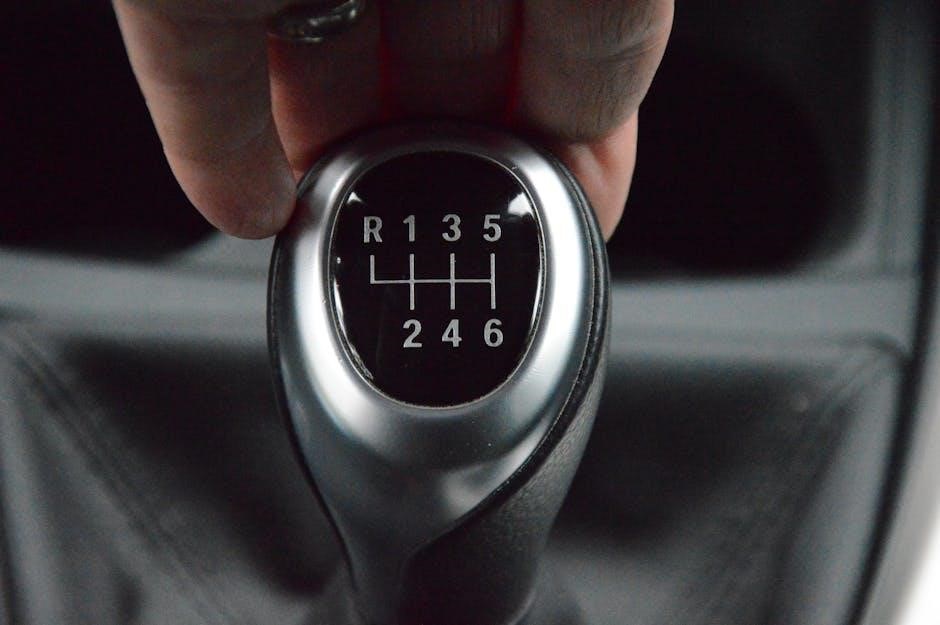
Fluctuating or insufficient transmission fluid pressure significantly impacts shift quality and overall transmission function. Low pressure can cause slipping or failure to shift‚ while excessive pressure may lead to harsh engagements and component damage. Diagnostic procedures involve using a pressure gauge to measure fluid pressure at various points within the transmission. Causes include pump failure‚ valve body issues‚ or internal leaks requiring repair or replacement.
Troubleshooting Unusual Noises
Identifying transmission noises is crucial for accurate diagnosis. Whining sounds often indicate worn bearings‚ while grinding suggests gear damage or synchronization issues. Clunking noises may stem from loose components or worn U-joints. Differentiating between gear and bearing noise requires careful listening and potentially‚ component isolation. A mechanic must pinpoint the source to determine the necessary repairs‚ preventing further damage and ensuring proper function.
Identifying the Source of Transmission Noise
Pinpointing noise origins demands a systematic approach. Utilize a mechanic’s stethoscope to isolate sounds – listening to the case‚ input shaft‚ and differential. Road testing while observing noise changes with gear selection is vital. Consider if the noise is speed-related or occurs during specific maneuvers. External factors‚ like exhaust leaks‚ must be ruled out before focusing solely on internal transmission components for accurate diagnosis.
Differentiating Gear Noise from Bearing Noise
Gear noise typically presents as a whine or clash‚ changing with vehicle speed and load. Bearing noise often sounds like a growl or rumble‚ potentially constant or increasing with RPM‚ not necessarily speed. A failing bearing might exhibit noise in neutral‚ while gear noise usually requires engagement. Careful listening and isolating the sound’s behavior are crucial for correct identification and repair planning.