
Cessna 172 Parts Manual: A Comprehensive Guide
Navigating the intricacies of Cessna 172 maintenance demands a detailed parts manual‚ ensuring accurate identification and procurement of necessary components for safe operation.
The Cessna 172 Parts Manual is an indispensable resource for aircraft owners‚ mechanics‚ and anyone involved in the maintenance and repair of this iconic aircraft. It serves as a detailed catalog of every component used in the construction of the 172‚ providing crucial information for identifying‚ ordering‚ and installing replacement parts.
This manual isn’t simply a list; it’s a meticulously organized system. It utilizes detailed diagrams‚ illustrations‚ and part numbers to ensure accuracy. Proper use of the manual minimizes errors‚ reduces downtime‚ and ultimately contributes to the continued airworthiness of the aircraft. Understanding its structure and how to effectively navigate it is paramount for anyone undertaking maintenance on a Cessna 172.
Beyond part identification‚ the manual often includes notes on superseded parts‚ revision levels‚ and applicable airworthiness directives‚ making it a vital tool for regulatory compliance.
Understanding Cessna 172 Model Variations
Cessna 172 production spanned decades‚ resulting in numerous model variations – each with potentially unique parts specifications. The original 172‚ the 172R‚ and the 172S‚ for example‚ feature distinct engine options‚ avionics packages‚ and structural refinements;
A parts manual isn’t universally applicable across all models. Utilizing a manual specific to the aircraft’s serial number is crucial. Incorrect parts can lead to fitment issues‚ reduced performance‚ or even compromise flight safety. Always verify the manual’s applicability before ordering any component.
Furthermore‚ subtle changes occurred within model years. Revision levels of the parts manual reflect these updates. Therefore‚ confirming you have the latest revision for your specific aircraft is essential for accurate parts identification and procurement.
172 Skyhawk (Original)
The original 172 Skyhawk‚ produced from 1956 to 1986‚ utilized primarily the Lycoming O-300 engine initially‚ later transitioning to the O-320. Parts manuals for these early models often differ significantly from those of later variants. Expect to find simpler diagrams and fewer component options compared to newer Skyhawks.
Sourcing parts for the original 172 can present challenges. Many components are no longer in production‚ necessitating reliance on salvaged or overhauled parts. Accurate identification using the original parts manual is paramount to ensure compatibility. Pay close attention to superseded part numbers‚ as older manuals may list parts no longer available.
Early 172s also featured different electrical systems and instrumentation. The parts manual will detail these specific configurations‚ aiding in accurate repairs and upgrades. Careful attention to detail is vital when working with these classic aircraft.
172R Skyhawk
The 172R‚ introduced in 1996‚ marked a significant shift with the introduction of the Lycoming IO-360 engine‚ offering increased power and efficiency. Parts manuals for the 172R reflect these changes‚ detailing the fuel injection system and associated components. Expect more complex diagrams illustrating the engine’s advanced features.
Compared to earlier models‚ the 172R benefits from better parts availability. However‚ specific components unique to the IO-360 engine‚ such as fuel injectors and sensors‚ may still require careful sourcing. The parts manual is crucial for identifying correct replacements and understanding potential compatibility issues.
The 172R also saw updates to the avionics and electrical systems. The parts manual will outline these changes‚ including wiring diagrams and component specifications‚ essential for troubleshooting and maintenance.
172S Skyhawk
The 172S‚ currently in production‚ represents the latest evolution of the Skyhawk. Its parts manual incorporates all previous revisions and adds details for newer systems‚ notably the Garmin G1000 avionics suite. Diagrams for the glass cockpit and its associated wiring harnesses are extensive and require careful study.
While many components remain consistent with the 172R‚ the 172S benefits from ongoing engineering refinements and updated parts. The manual reflects these improvements‚ offering the most current information for maintenance and repair. Expect to find detailed sections on the digital engine monitoring system.

Sourcing parts for the 172S is generally straightforward due to its continued production‚ but specific G1000 components may have longer lead times. The parts manual is vital for accurate ordering and ensuring compatibility with the aircraft’s software versions.
Accessing Official Cessna Parts Information
Obtaining accurate parts data requires utilizing Cessna’s official resources. Historically‚ printed parts manuals were the standard‚ but digital access is now paramount. Cessna offers several avenues for accessing this crucial information‚ each with varying levels of access and cost.
Subscription services provide online access to interactive parts catalogs‚ allowing users to search by part number‚ model‚ or illustration. These platforms often include revision history and superseded part information. Direct contact with Cessna’s parts department is also possible‚ though typically reserved for authorized service facilities.
It’s crucial to verify the source of any parts information. Unofficial or outdated manuals can lead to incorrect orders and potential safety hazards. Always prioritize official Cessna documentation for reliable and accurate parts identification.
Cessna Parts Portal
Cessna’s online Parts Portal represents a significant advancement in accessing parts information. This subscription-based service provides a comprehensive‚ interactive database of all Cessna aircraft parts‚ including detailed illustrations and up-to-date revision levels.
Users can search by aircraft model‚ serial number‚ or specific part number‚ streamlining the identification process; The portal also features exploded views‚ showcasing component relationships and assembly details. A key benefit is the ability to download parts lists and documentation directly.
Access requires registration and a valid subscription‚ typically geared towards maintenance professionals and authorized service facilities. While a cost is involved‚ the accuracy and convenience offered by the Cessna Parts Portal often outweigh the expense‚ ensuring correct parts ordering and efficient maintenance procedures.
Authorized Cessna Service Facilities
Leveraging the expertise of Authorized Cessna Service Facilities is crucial when dealing with parts and maintenance. These facilities have direct access to the latest Cessna parts manuals‚ technical documentation‚ and genuine Cessna parts‚ ensuring compliance and airworthiness.
They employ certified technicians trained specifically on Cessna aircraft‚ capable of accurately diagnosing issues and identifying the correct replacement parts. Utilizing these facilities minimizes the risk of installing incorrect or unapproved components‚ safeguarding aircraft integrity.
Furthermore‚ Authorized Service Facilities maintain detailed records of all maintenance performed‚ contributing to a comprehensive aircraft history. While potentially more expensive than independent repair shops‚ the peace of mind and adherence to Cessna standards make them a valuable resource for 172 owners and operators.
Parts Manual Revision Levels
Cessna 172 parts manuals undergo periodic revisions to reflect design changes‚ component updates‚ and the introduction of new parts. Understanding these revision levels is paramount for accurate maintenance. Manuals are typically identified by a part number and a revision date or letter code.
Older revision levels may contain superseded part numbers or inaccurate illustrations. Always ensure you are using the latest applicable manual for your specific aircraft model and serial number. Cessna publishes Service Bulletins and Airworthiness Directives that often necessitate using updated parts information.
Accessing the most current revision is vital; this can be done through the Cessna Parts Portal or by contacting an Authorized Cessna Service Facility. Ignoring revision levels can lead to incorrect parts installation‚ potentially compromising flight safety and regulatory compliance.
Key Components & Systems Covered in the Manual
The Cessna 172 parts manual provides detailed breakdowns of virtually every component within the aircraft. Airframe sections cover fuselage‚ wings‚ and empennage structures‚ including skin‚ spars‚ and ribs. Extensive coverage is dedicated to the engine – typically Lycoming O-320 or O-360 series – detailing pistons‚ cylinders‚ and accessories.
Landing gear components‚ from wheels and brakes to struts and steering‚ are thoroughly illustrated. Avionics and electrical systems receive significant attention‚ outlining wiring harnesses‚ instruments‚ and radios. Furthermore‚ the manual details interior elements like seats‚ panels‚ and upholstery.
Control systems – ailerons‚ elevator‚ and rudder – are comprehensively documented‚ ensuring proper rigging and maintenance. This broad scope ensures technicians have access to the necessary information for all aspects of aircraft upkeep.
Airframe Structure
The airframe section of the Cessna 172 parts manual meticulously details the aircraft’s foundational structure. Fuselage components‚ including longerons‚ bulkheads‚ and skin panels‚ are individually identified with precise part numbers and illustrations. Wing structures are broken down into spars‚ ribs‚ leading and trailing edge components‚ and aileron mounting hardware.
Empennage sections cover the vertical and horizontal stabilizers‚ elevator‚ and rudder‚ showcasing their respective parts. Detailed diagrams illustrate fastener locations and material specifications. The manual also includes sections on fabric covering (if applicable to older models) and corrosion control measures.
Specific attention is given to areas prone to stress or wear‚ such as wing root fittings and landing gear attachment points. This section is crucial for structural repairs and inspections‚ ensuring continued airworthiness.
Engine (Lycoming O-320/O-360)
The Lycoming O-320 and O-360 engine sections are extensively detailed within the Cessna 172 parts manual. Cylinder assemblies‚ including pistons‚ rings‚ and valves‚ are illustrated with exploded views and precise part numbers. Carburetor components‚ fuel pumps‚ and fuel lines are similarly documented‚ aiding in fuel system maintenance.
Ignition systems‚ encompassing magnetos‚ spark plugs‚ and wiring harnesses‚ receive thorough coverage. The manual also details the lubrication system‚ including oil pumps‚ filters‚ and oil coolers. Engine mounts and exhaust systems are also included‚ vital for proper installation and safety.
Detailed schematics and parts lists facilitate accurate engine overhauls and repairs‚ ensuring compliance with Lycoming’s specifications and maintaining optimal engine performance. Proper identification is key for sourcing correct replacements.
Landing Gear

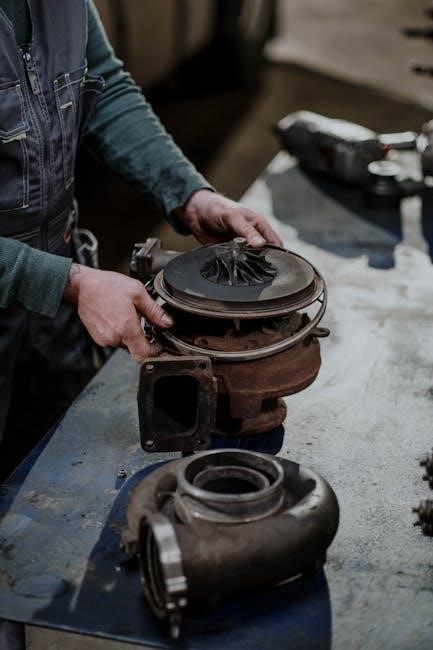
The Cessna 172 landing gear section of the parts manual provides comprehensive diagrams of the main and nose gear assemblies. Detailed illustrations showcase components like landing gear struts‚ wheels‚ tires‚ and brake assemblies. Specific part numbers are assigned to each element‚ from the torque links to the axle bolts.
Brake system components‚ including calipers‚ rotors‚ and brake lines‚ are meticulously documented‚ supporting effective brake maintenance and repair. Nose gear steering linkages and components are also clearly illustrated. The manual covers both fixed and retractable gear variations‚ if applicable to specific models.
Proper identification of landing gear parts is crucial for safety and airworthiness. The manual aids technicians in accurate ordering and installation‚ ensuring reliable ground operations and preventing potential failures.
Interpreting Parts Diagrams & Illustrations
Cessna 172 parts manuals utilize detailed diagrams and illustrations to visually represent component assemblies. Understanding these visuals is paramount for accurate parts identification and maintenance. Key features include exploded views‚ showcasing how parts fit together‚ and numbered callouts linking directly to the parts list.
Figure numbers correspond to specific assemblies‚ while zone references pinpoint the exact location of a part within that assembly. Line weights and shading differentiate between components‚ aiding clarity. Cross-sections reveal internal details‚ crucial for understanding functionality.
Pay close attention to revision levels indicated on the diagrams‚ as updates reflect design changes. Mastering this visual language ensures technicians can confidently navigate the manual and perform maintenance effectively‚ minimizing errors and maximizing safety.
Part Numbers & Nomenclature
Cessna 172 parts manuals employ a standardized numbering system for precise component identification. Part numbers are typically alphanumeric‚ often beginning with a Cessna-specific prefix. Nomenclature‚ or the part name‚ provides a descriptive label‚ though it’s crucial to rely on the number for accuracy.
Dash numbers (-001‚ -002‚ etc.) indicate variations within a part family‚ such as different lengths or materials. Understanding these suffixes is vital for ordering the correct component. Beware of similar-sounding names; always verify with the part number.
The manual will often include a parts index‚ allowing you to search by name or number. Cross-reference lists may show superseded part numbers‚ indicating replacements for obsolete items. Accurate part number usage is fundamental to safe and effective aircraft maintenance.
Figure Numbers & Zones
Cessna 172 parts manuals utilize detailed illustrations‚ each assigned a unique figure number for easy referencing. These figures depict exploded views of assemblies‚ showcasing component relationships. Within each figure‚ zones are designated by numbered balloons or leader lines‚ pointing to specific parts.

The zone number directly corresponds to an item listed in the accompanying parts list for that figure. Carefully matching the zone number to the parts list ensures correct identification. Multiple views of the same assembly may exist‚ each with its own figure number and zoning.
Pay attention to notes accompanying figures‚ as they may indicate specific installation instructions or relevant details. Understanding this system allows for efficient parts location and accurate maintenance procedures. Always double-check zone numbers before ordering replacements.
Superseded Part Numbers
Cessna frequently updates parts due to design improvements‚ material availability‚ or regulatory changes. Consequently‚ parts manuals often list superseded part numbers – older numbers replaced by newer ones. These are crucial to understand during parts ordering.
The manual will typically display the old part number alongside the new‚ replacement number‚ often with a notation like “Sup’d by” or “Replaced by”. Using a superseded number may result in ordering an incorrect or unavailable part‚ causing delays and potential maintenance issues.
Always cross-reference the part number in the manual with the latest Cessna parts catalog or consult an authorized service facility. Online parts portals usually automatically update to the current part numbers. Ignoring superseded numbers can lead to fitment problems or non-approved repairs‚ compromising aircraft safety.
Essential Parts Categories & Their Locations
The Cessna 172 parts manual organizes components into logical categories‚ simplifying location within the aircraft. Airframe parts‚ including fuselage sections‚ wings‚ and control surfaces‚ are typically grouped separately. Engine components – Lycoming O-320/O-360 specific – have a dedicated section‚ detailing cylinders‚ pistons‚ and accessories.
Landing gear parts cover wheels‚ brakes‚ struts‚ and associated hardware. Interior components encompass seats‚ upholstery‚ panels‚ and carpeting. Avionics and electrical systems are categorized by instrument‚ wiring harness‚ and connector types.
Each section utilizes detailed diagrams illustrating part locations on the aircraft. Understanding this organization is vital for efficient maintenance and repair. The manual’s indexing system allows quick access to specific parts based on system or location‚ streamlining the troubleshooting process.
Control Surfaces (Ailerons‚ Elevator‚ Rudder)
The Cessna 172 parts manual dedicates a significant section to control surfaces – ailerons‚ elevator‚ and rudder – crucial for flight control. Detailed diagrams illustrate each surface’s internal structure‚ including ribs‚ spars‚ and skin components. Parts listings cover hinges‚ control horns‚ balance weights‚ and associated hardware.
Specific attention is given to trim tabs and their actuation mechanisms. The manual differentiates between left and right ailerons‚ noting any part number variations. Elevator components are categorized by section‚ facilitating replacement of damaged areas. Rudder parts include the rudder itself‚ its horn‚ and connecting linkages.
Understanding the precise location and part numbers for these components is vital for maintaining aerodynamic integrity and responsive flight controls. Proper identification ensures correct replacement and safe operation.
Avionics & Electrical Systems
The Cessna 172 parts manual provides extensive coverage of avionics and electrical systems‚ recognizing their complexity. Detailed schematics illustrate wiring harnesses‚ circuit breakers‚ and component locations. Parts breakdowns cover radios‚ navigation equipment‚ transponders‚ and associated antennas.
Specific sections address the battery‚ alternator‚ starter‚ and voltage regulator. Lighting systems – including navigation‚ landing‚ and interior lights – are thoroughly documented. Wiring diagrams show connections for switches‚ fuses‚ and various instruments. The manual lists part numbers for connectors‚ terminals‚ and wiring itself.
Accurate identification of these components is critical for troubleshooting electrical issues and ensuring proper functionality of the aircraft’s avionics suite. Proper maintenance relies on referencing the correct parts and diagrams.
Interior Components (Seats‚ Panels‚ Carpeting)
The Cessna 172 parts manual dedicates significant attention to interior elements‚ detailing replacements and repairs for seats‚ side panels‚ and carpeting. Exploded diagrams showcase the construction of each seat – frames‚ cushions‚ upholstery‚ and hardware – allowing for targeted part ordering.
Panel components‚ including instrument panels‚ glove boxes‚ and trim pieces‚ are similarly illustrated with precise part numbers. Carpet kits and individual carpet sections are listed‚ specifying materials and dimensions. The manual also covers interior hardware like seatbelts‚ latches‚ and window cranks.
Maintaining a well-kept interior enhances passenger comfort and aircraft value. Referencing the parts manual ensures correct color matching and material specifications during restoration or replacement projects. Detailed views aid in proper installation and fit.
Common Replacement Parts & Maintenance Items
The Cessna 172 parts manual frequently referenced for routine maintenance lists common replacement items. These include frequently changed oil filters‚ categorized by engine model‚ and various fuel filters ensuring engine cleanliness. Air filters‚ crucial for engine performance‚ are also detailed with specific part numbers.
Spark plugs‚ categorized by heat range and electrode type‚ are essential for ignition system upkeep. Brake pads and brake discs‚ vital for safety‚ are thoroughly documented. Additionally‚ the manual covers frequently replaced bulbs‚ fuses‚ and small hardware items.
Regular inspection and replacement of these components‚ guided by the manual‚ contribute to the aircraft’s airworthiness. Proper identification using part numbers prevents incorrect installations and ensures continued safe operation.
Filters (Oil‚ Fuel‚ Air)
The Cessna 172 parts manual dedicates significant detail to filtration systems. Oil filters are categorized by engine type – Lycoming O-320 and O-360 – with specific part numbers and installation instructions. Fuel filters‚ crucial for preventing contaminants from reaching the engine‚ are similarly detailed‚ including screen and cartridge types.

Air filters‚ protecting the engine from abrasive particles‚ are listed with dimensions and material specifications. The manual often includes cross-reference charts for alternative filter brands approved for use. Detailed diagrams illustrate filter locations and removal/installation procedures.
Regular filter replacement is paramount for engine longevity and performance. The manual specifies recommended service intervals for each filter type‚ ensuring optimal engine health and adherence to maintenance schedules.
Spark Plugs & Ignition Components

The Cessna 172 parts manual provides exhaustive listings for spark plugs‚ categorized by engine model (Lycoming O-320/O-360). Detailed specifications include heat range‚ electrode material‚ and gap settings‚ vital for optimal combustion. Diagrams clearly illustrate spark plug installation and torque requirements.
Ignition components‚ such as magnetos‚ ignition coils‚ and distributors‚ are also comprehensively covered. Part numbers for individual components within these systems are meticulously documented. The manual details procedures for magneto timing and point gap adjustments.
Troubleshooting guides within the section assist in diagnosing ignition-related issues. Proper maintenance of these components is critical for reliable engine starting and performance‚ and the manual emphasizes adherence to recommended inspection intervals.
Brake Components

The Cessna 172 parts manual dedicates a significant section to brake system components‚ crucial for safe ground operations. Detailed exploded views illustrate the assembly of brake discs‚ calipers‚ brake lines‚ and master cylinders. Part numbers are provided for each component‚ including various seal and hardware options.
Specific attention is given to brake lining materials and their wear limits. The manual outlines procedures for brake bleeding‚ adjustment‚ and inspection for leaks or damage. Torque specifications for all brake fasteners are clearly stated to ensure proper installation.
Troubleshooting charts assist in diagnosing common brake issues‚ such as spongy pedals or uneven braking. Regular maintenance‚ guided by the manual‚ is essential for maintaining optimal braking performance and preventing potential hazards.

Sourcing Cessna 172 Parts – New‚ Used‚ & Overhauled
Obtaining Cessna 172 parts involves several avenues‚ each with considerations. New parts‚ sourced directly from Cessna or authorized dealers‚ guarantee compliance and come with warranties‚ but are typically the most expensive. Used parts‚ salvaged from airframes‚ offer cost savings but require thorough inspection for airworthiness and traceability.
Overhauled parts‚ such as engines or instruments‚ have been restored to a serviceable condition and often include a warranty. Reputable salvage yards and online marketplaces are sources for used and overhauled components. Always verify the part’s origin‚ condition‚ and applicable documentation (like 8130-3 forms) before installation.
The parts manual doesn’t directly dictate sourcing‚ but its part numbers are essential for accurate ordering‚ regardless of the supplier. Prioritize certified repair stations for complex component overhauls.
Regulatory Compliance & Parts Traceability
Maintaining regulatory compliance is paramount when working with Cessna 172 parts. The FAA mandates strict traceability for all aircraft components‚ particularly those affecting airworthiness. Parts must be accompanied by proper documentation‚ such as Form 8130-3 tags‚ detailing the part’s history‚ inspection records‚ and any repairs performed.
Using unapproved parts or failing to maintain accurate records can lead to significant penalties and compromise flight safety. The Cessna 172 parts manual aids traceability by providing detailed part numbers and revision levels. Always ensure that any replacement part is FAA-approved or meets equivalent standards.
Proper documentation is crucial during annual inspections and any major maintenance events. Adherence to these regulations ensures the continued airworthiness of the aircraft.